Lactate Colorimetric & Fluorometric Assay Kit: A Comprehensive Overview

Introduction

Lactate is a key metabolite in cellular metabolism and a critical indicator of various physiological and pathological conditions. The Lactate Colorimetric & Fluorometric Assay Kit is widely used in clinical, biochemical, and research settings for accurate quantification of lactate levels in biological samples (NIH). This assay enables sensitive detection using both colorimetric (spectrophotometric) and fluorometric (fluorescence-based) methods (NCBI).

Importance of Lactate Measurement

Lactate accumulation is associated with conditions such as:

How the Lactate Assay Kit Works

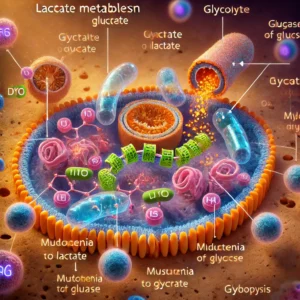
The assay employs an enzymatic reaction where lactate oxidase catalyzes the conversion of lactate into pyruvate and hydrogen peroxide (H2O2). The H2O2 then reacts with a specific probe to generate a colorimetric (570 nm) or fluorometric (Ex/Em = 535/587 nm) signal (FDA).

Key Steps in the Assay:

  1. Sample Preparation: Collection of biological samples such as serum, plasma, urine, or cell culture media (CDC Biosafety Guidelines).
  2. Lactate Conversion: Enzymatic reaction facilitated by lactate oxidase.
  3. Detection: Measurement of absorbance (colorimetric) or fluorescence (fluorometric) using a microplate reader (NIH Office of Research).
  4. Quantification: Lactate levels are determined using a standard curve for accurate measurement (National Institute of Standards and Technology).

Applications of the Assay Kit

1. Clinical Diagnostics

  • Monitoring lactic acidosis in metabolic disorders (Mayo Clinic)
  • Assessment of sepsis and septic shock biomarkers (WHO)
  • Evaluation of hypoxic conditions in patients with respiratory diseases (American Lung Association)

2. Sports Science & Exercise Physiology

3. Cancer Research

  • Studying the Warburg effect and metabolic reprogramming in tumors (National Cancer Institute)
  • Investigating lactate as a biomarker for tumor progression (PubMed)

4. Drug Discovery & Metabolic Studies

Advantages of the Lactate Assay Kit

Future Directions & Innovations

Recent advancements have introduced:

Conclusion

The Lactate Colorimetric & Fluorometric Assay Kit is a powerful tool for detecting and quantifying lactate levels in various biological and clinical settings. With its high sensitivity, dual detection capability, and broad range of applications, it serves as an essential assay in clinical diagnostics, metabolic research, and sports medicine (PubMed).

For additional research and guidelines, visit NIH, CDC, and FDA for the latest scientific developments in lactate metabolism and assay technologies.

 

Staphylococcus aureus (mecA-) DNA – PCR Qualitative Positive Control: A Comprehensive Overview

Introduction

Staphylococcus aureus is a significant bacterial pathogen responsible for a wide range of infections, from minor skin conditions to severe systemic illnesses. The mecA gene is a key determinant of methicillin resistance in S. aureus, distinguishing Methicillin-resistant Staphylococcus aureus (MRSA) from Methicillin-sensitive Staphylococcus aureus (MSSA) (CDC). The PCR Qualitative Positive Control for mecA-negative (mecA-) S. aureus DNA plays a crucial role in molecular diagnostics by ensuring the accuracy and reliability of PCR-based assays.

What is mecA-negative Staphylococcus aureus?

While MRSA carries the mecA gene, MSSA lacks it, making it susceptible to beta-lactam antibiotics. Detection of mecA-negative strains is critical for antibiotic stewardship and infection control programs (NIH). The absence of mecA indicates that the bacterium is likely treatable with methicillin-class antibiotics (NCBI)).

Importance of PCR Qualitative Positive Control

PCR is the gold standard for molecular detection of mecA-negative S. aureus (FDA). Using a qualitative positive control ensures:

How PCR Detects mecA-negative S. aureus

  1. Sample Collection: Clinical isolates or bacterial cultures are prepared for DNA extraction (CDC Laboratory Guidelines).
  2. DNA Extraction: Bacterial DNA is extracted using standardized protocols (NIH Genetic Resources).
  3. PCR Amplification: A target-specific primer set amplifies the mecA gene region.
  4. Gel Electrophoresis/Real-Time PCR: If no mecA band appears, the strain is considered mecA-negative.
  5. Interpretation and Reporting: Results are verified using positive and negative controls (FDA).

Clinical and Research Applications

1. Antibiotic Stewardship

Proper detection of mecA-negative strains allows for optimized antibiotic therapy, reducing unnecessary use of broad-spectrum antibiotics (CDC Antimicrobial Resistance).

2. Epidemiological Surveillance

Monitoring mecA-negative S. aureus strains aids in infection control efforts and outbreak investigations (NIH National Institute of Allergy and Infectious Diseases).

3. Quality Assurance in Diagnostic Labs

Using a qualitative positive control ensures reliable results, crucial for clinical laboratories and research settings (CLSI).

4. Vaccine and Therapeutic Development

Understanding mecA-negative strains is essential for developing targeted vaccines and novel antibacterial therapies (BARDA).

Advances in mecA Detection

  • CRISPR-based diagnostics: Emerging CRISPR-Cas techniques improve specificity for mecA detection (NIH Genome Research).
  • Multiplex PCR Assays: Allow for simultaneous detection of mecA and other antimicrobial resistance genes (PubMed).
  • Next-Generation Sequencing (NGS): Provides deeper insights into mecA-negative S. aureus genome evolution (FDA NGS Guidelines).

Future Perspectives

Further research is needed to:

Conclusion

The Staphylococcus aureus (mecA-) DNA – PCR Qualitative Positive Control is essential for accurate molecular diagnostics, ensuring the reliability of PCR assays for distinguishing MRSA from MSSA. As antimicrobial resistance remains a global challenge, enhanced molecular testing strategies are crucial for clinical decision-making and infection control (CDC AMR Data).

For more information, visit PubMed for the latest scientific literature on mecA-negative Staphylococcus aureus and PCR testing methodologies.


Human Filamin-C ELISA [FLNC]: A Powerful Tool for Protein Detection and Disease Research

Filamin-C (FLNC) is a key actin-binding protein that plays a crucial role in cytoskeletal organization, mechanical stability, and intracellular signaling. It is highly expressed in cardiac and skeletal muscles, making it a significant marker for muscle-related disorders. The Human Filamin-C ELISA is a widely used assay for detecting and quantifying FLNC levels in biological samples.

What is Filamin-C?

Filamin-C belongs to the filamin protein family, which cross-links actin filaments and facilitates interactions between the cytoskeleton and membrane proteins. It is particularly important in mechanotransduction and cell adhesion (NIH.gov). Studies have shown that mutations in the FLNC gene are linked to various myopathies and cardiomyopathies (Genetics Home Reference – NIH).

Role of FLNC in Muscle Disorders

FLNC mutations have been associated with myofibrillar myopathy (National Library of Medicine) and dilated cardiomyopathy (CDC – National Center for Health Statistics). In these conditions, abnormal filamin-C aggregation disrupts muscle fiber integrity, leading to progressive muscle weakness and cardiac dysfunction.

Importance of Human Filamin-C ELISA

The ELISA (Enzyme-Linked Immunosorbent Assay) is a highly sensitive method for detecting FLNC levels in biological fluids, including serum, plasma, and tissue homogenates. This assay plays a crucial role in:

How Does the FLNC ELISA Work?

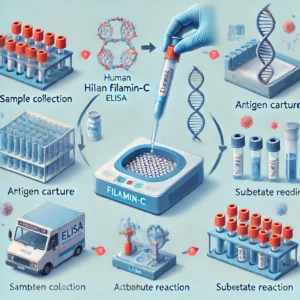
  1. Sample Preparation: Biological samples are collected and processed.
  2. Antigen Capture: A pre-coated microplate with anti-FLNC antibodies binds the target protein.
  3. Detection Antibody Addition: A secondary antibody conjugated to an enzyme binds FLNC.
  4. Substrate Reaction: A colorimetric reaction produces a signal proportional to FLNC levels.
  5. Measurement: Absorbance is read at a specific wavelength (FDA – Center for Biologics Evaluation and Research).

Clinical and Research Applications

1. Cardiomyopathies

Elevated FLNC levels have been observed in dilated and hypertrophic cardiomyopathies, making ELISA an essential tool for early diagnosis (National Heart, Lung, and Blood Institute).

2. Skeletal Muscle Disorders

FLNC aggregation is a hallmark of myofibrillar myopathies and limb-girdle muscular dystrophy (Muscular Dystrophy Association).

3. Cancer Research

Recent studies suggest a role of FLNC in tumor metastasis and invasion, particularly in breast and colorectal cancers (National Cancer Institute).

Advances in FLNC Research

Innovative approaches such as CRISPR-Cas9 gene editing and single-cell RNA sequencing are enhancing our understanding of FLNC functions in human health and disease (Human Genome Research Institute).

Future Perspectives

Further research is needed to establish FLNC as a biomarker for early disease detection and therapeutic target. The integration of ELISA with AI-driven data analysis could revolutionize personalized medicine (National Center for Biotechnology Information).

Conclusion

The Human Filamin-C ELISA is a vital tool in medical diagnostics and research, offering high specificity and sensitivity. Ongoing studies continue to uncover its potential in cardiac, muscular, and oncological applications. As technology advances, FLNC testing could become a standard clinical tool for early disease detection and personalized treatment strategies.

For further reading, visit PubMed for the latest scientific publications on FLNC and ELISA methodologies.


Advancing Molecular Research with 2X EpiArt HS Taq Master Mix (Dye Plus): A High-Fidelity Solution for PCR Applications

Introduction

Polymerase Chain Reaction (PCR) has revolutionized molecular biology, allowing for the amplification of DNA sequences with high precision. As PCR technology advances, the demand for high-fidelity polymerases capable of accurate and reliable DNA replication has increased. The 2X EpiArt HS Taq Master Mix (Dye Plus) is an advanced solution designed for scientists and researchers who require high accuracy, efficiency, and convenience in their PCR workflows.

This master mix is optimized for a variety of applications, including clinical diagnostics, genetic engineering, and biomedical research. With built-in features like hot-start technology and an integrated loading dye, this reagent simplifies PCR workflows while ensuring high specificity and sensitivity.

Composition and Features of 2X EpiArt HS Taq Master Mix (Dye Plus)

The 2X EpiArt HS Taq Master Mix is a hot-start DNA polymerase formulated for high-fidelity amplification. The mix contains all necessary PCR components, including optimized buffer, dNTPs, and Taq polymerase, reducing preparation time and minimizing contamination risks.

Key Features

  1. High Fidelity and Accuracy: The enzyme exhibits a low error rate, making it ideal for genome sequencing and mutation detection.
  2. Hot-Start Technology: This feature prevents non-specific amplification by keeping the enzyme inactive until the denaturation step, ensuring reliability in pathogen detection and disease research.
  3. Enhanced Sensitivity: Capable of amplifying low-abundance DNA templates, beneficial for applications like ancient DNA analysis and forensic DNA analysis.
  4. Integrated Loading Dye: The built-in dye simplifies electrophoresis, allowing for direct gel loading, a feature widely used in academic research labs.
  5. Wide Compatibility: Supports multiple PCR applications, including real-time PCR (qPCR) and reverse transcription PCR (RT-PCR).

Applications of 2X EpiArt HS Taq Master Mix (Dye Plus)

Due to its high performance, the 2X EpiArt HS Taq Master Mix (Dye Plus) is used in various research and clinical applications:

Best Practices for PCR Using 2X EpiArt HS Taq Master Mix

To achieve optimal results, researchers should adhere to standardized PCR protocols provided by NIH and FDA guidelines. Below are key best practices:

  1. Template Preparation: Ensure high-quality DNA extraction using approved methods.
  2. Primer Design: Follow guidelines from NCBI for optimal primer selection.
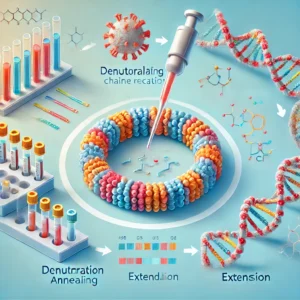
  3. PCR Cycling Conditions: Maintain recommended thermocycler settings to ensure precise amplification.
  4. Gel Electrophoresis and Validation: Utilize validated gel analysis protocols to confirm successful amplification.

Comparative Advantage Over Other PCR Master Mixes

When compared to other commercially available master mixes, 2X EpiArt HS Taq Master Mix (Dye Plus) offers superior performance due to its combination of high fidelity, hot-start technology, and integrated dye. Its ease of use and broad application range make it a preferred choice among researchers in biomedical research and molecular diagnostics.

Conclusion

The 2X EpiArt HS Taq Master Mix (Dye Plus) represents a significant advancement in PCR technology, providing researchers with a reliable, high-accuracy solution for DNA amplification. Its unique features make it indispensable in clinical diagnostics, biotechnology, and academic research. With proper handling and adherence to best practices, scientists can achieve consistent, reproducible results essential for groundbreaking discoveries.